

Starrett Hacksaw Blades: How to Select the Right TPI for Different Metals
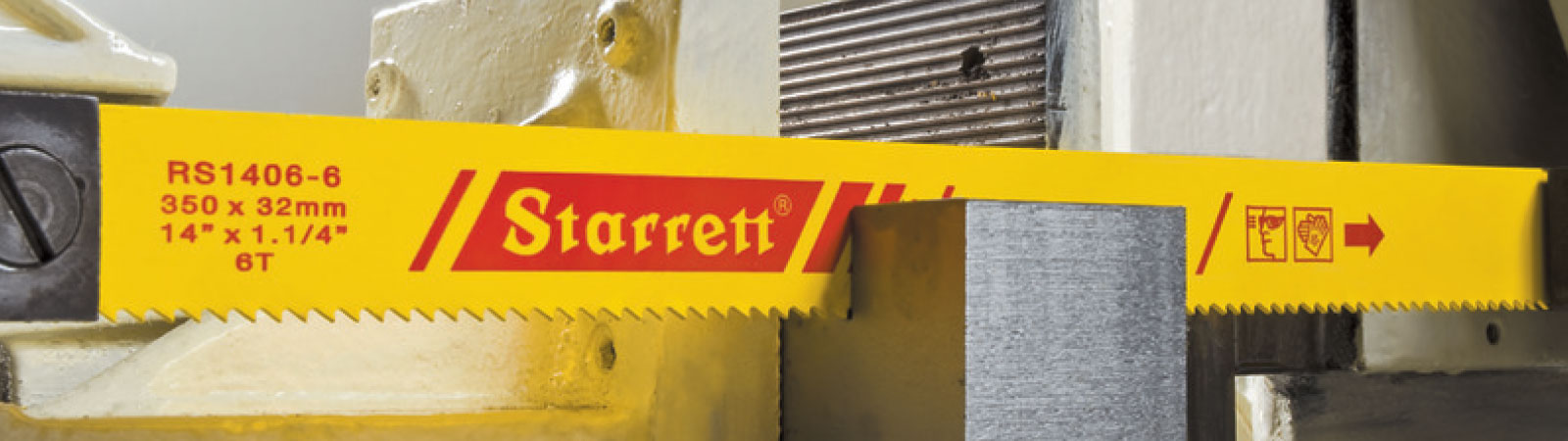
If you want to cut metals efficiently, choosing the right blade becomes just as important as choosing the right saw. A blade well-suited to the material delivers clean cuts, ensures a longer service life and offers better cutting productivity. But choose the wrong blade and it can lead to rough cuts or, worse, damaged workpieces.
So, how do you select the appropriate hacksaw blade for your next cutting task? We take a look at the blade’s TPI, pitch and specifications for efficient use. For workshops and industrial applications, the Starrett cutting blade is the world’s most preferred hacksaw blade, known to provide the best-in-class cutting performance. In this blog we’ll tell you how to select the right TPI for Starrett cutting blades when cutting different metals.
What is TPI?
Be it stainless steel, aluminium or copper, each metal behaves differently when being cut because of factors like the thickness of the workpiece or its toughness. The blade you select must be matched to these characteristics.
When choosing the right cutting blade, consider its TPI. TPI stands for teeth-per-inch, that is, the number of teeth there are on the blade, per inch. This factor decides whether the blade’s teeth will grip the material enough to cut through or simply skim over it.
A common rule for picking the right TPI is to use a finer pitch (higher TPI) for thinner materials and a coarser pitch (lower TPI) for thicker materials. Also make sure that at least three teeth are engaged while making the cut. This will reduce the need to replace blades since it will prevent tooth damage and give a more controlled cut.
How to Choose the Correct TPI?
To select the proper TPI for a hacksaw blade, first identify the material you are working with, assess its thickness, and then choose a suitable tooth pitch and blade type.
The TPI for metal generally starts at 14 and goes up all the way to 32 TPI. For materials like wood, the TPI on a cutting blade can go down to as low as 3, depending on the material’s thickness.
When you cut pipes or tubes, measure the thickness of the pipe walls to decide the TPI, not the outer diameter. For example a 1/2‑inch pipe with a 3 mm wall is still considered a thin metal, so it will need a 24 or 32 TPI cutting blade depending on the wall thickness.
To understand what each TPI number means, here’s a helpful breakdown.
- 14 TPI - Aluminium, Brass & More
A 14 TPI blade is generally considered a power hacksaw blade. It has a coarser tooth pitch for materials with a thickness of over 35mm. It can easily cut through metal like brass and workpieces like thick-walled pipes and solid bars without breaking or getting damaged.
- 18 TPI - Mild Steel
For materials where the thickness ranges from 6mm to 35mm, an 18 TPI Starrett cutting blade is more suitable. It is considered a standard workshop tool, mainly used for general purposes like cutting a steel rod, thick pipe, flat bar, etc.
- 24 TPI - Sheet Metal
A blade with a 24 teeth per inch configuration is considered a medium-fine cutting blade that is often used for thin sheet metal, thin wall pipe, etc. where the thickness ranges from 3mm to 6mm.
- 32 TPI - Extremely thin metals
A 32 TPI blade is generally used for precision cutting of metals thinner than 2mm. Examples include thin wall conduits, copper pipes, etc. A high concentration of teeth helps the blade grip the thin metal and cut through it smoothly.
Things to Keep in Mind
The best hacksaw blade for your job depends on three main factors: the material, its thickness and the expected cutting performance.
Some other factors you should keep in mind include:
- The 3-Tooth Rule: Ensure that a minimum of three teeth touch the metal simultaneously. Fewer teeth will catch and strip the blade teeth.
- Hollow Materials: For pipes and tubes, measure the wall thickness, not the outer diameter, to select your TPI.
- When in Doubt: Choose a finer pitch (a higher TPI). It cuts slightly slower on thick sections, but it prevents tooth breakage on thinner ones.
Starrett cutting blades are known for their precision, sharpness and durability. You can find a range of hacksaw blades, including HSS, bi-metal and carbon blades, to choose the one that best suits your job. Each hacksaw blade is designed for efficient cutting performance and long-term durability for heavy-duty professional applications.
Conclusion
The right blade might just be one component, but for industrial cutting applications, Starrett cutting blades can make a significant difference to efficiency, precision and overall productivity. You can find a large variety of Starrett cutting tools, hacksaw blades and much more at any FK Tools store, the leading industrial tools supplier in UAE.
Other Related Posts


